No. You cannot drown head lice in a normal bath, shower, or swim. They can survive underwater for hours, so dunking your head will not clear an infestation.
If someone told you “just soak your hair and they will die,” I get why that sounds tempting. I have had moments like that too, when I just wanted the easiest fix. This is one of those myths that wastes time.
The quick answer
Why drowning does not solve lice
Head lice can hold on tight to hair and they can survive under water for several hours.
So even if you sit in a bath for a long time, you are not doing the one thing that matters: killing the lice on the scalp and stopping the next wave from hatching.
What about eggs (nits)?
Nits are glued close to the scalp. Water does not loosen them in a reliable way. They hatch on their own timeline, often in about a week.
That is why most plans include a repeat step around day 7 to 9.
How long can lice survive underwater?
What we know from research
A lab study looked at lice in very low oxygen (anoxia). Many survived for hours, and it took a very long time for all to die in those conditions. The same paper also found that lice immersed in water could survive surprisingly well for long stretches.
You do not need to memorize the hours. The main point is simple: “drowning them” takes way longer than a person can safely keep hair and scalp fully submerged.
Real life: bath, pool, and long hair
In real life, you are not fully submerging the scalp without breaks. Kids pop up, towels come out, hair floats, and lice just hang on.
So bath time can calm itching for a bit, but it is not a treatment.
Do pools spread lice?
Chlorine and swimming myths
Chlorine levels in pools do not kill head lice.
And lice are unlikely to be spread through pool water itself.
So if your kid went swimming and later you found lice, the pool is probably not the reason.

The real way lice spread
Head lice mainly spread through direct head to head contact. They crawl, they do not jump or fly.
In my experience watching kids play, the biggest risk is the stuff nobody notices: heads together over a tablet, selfies, sleepovers, leaning together on a couch.
What actually kills lice
You have three solid paths. Pick one and do it fully.
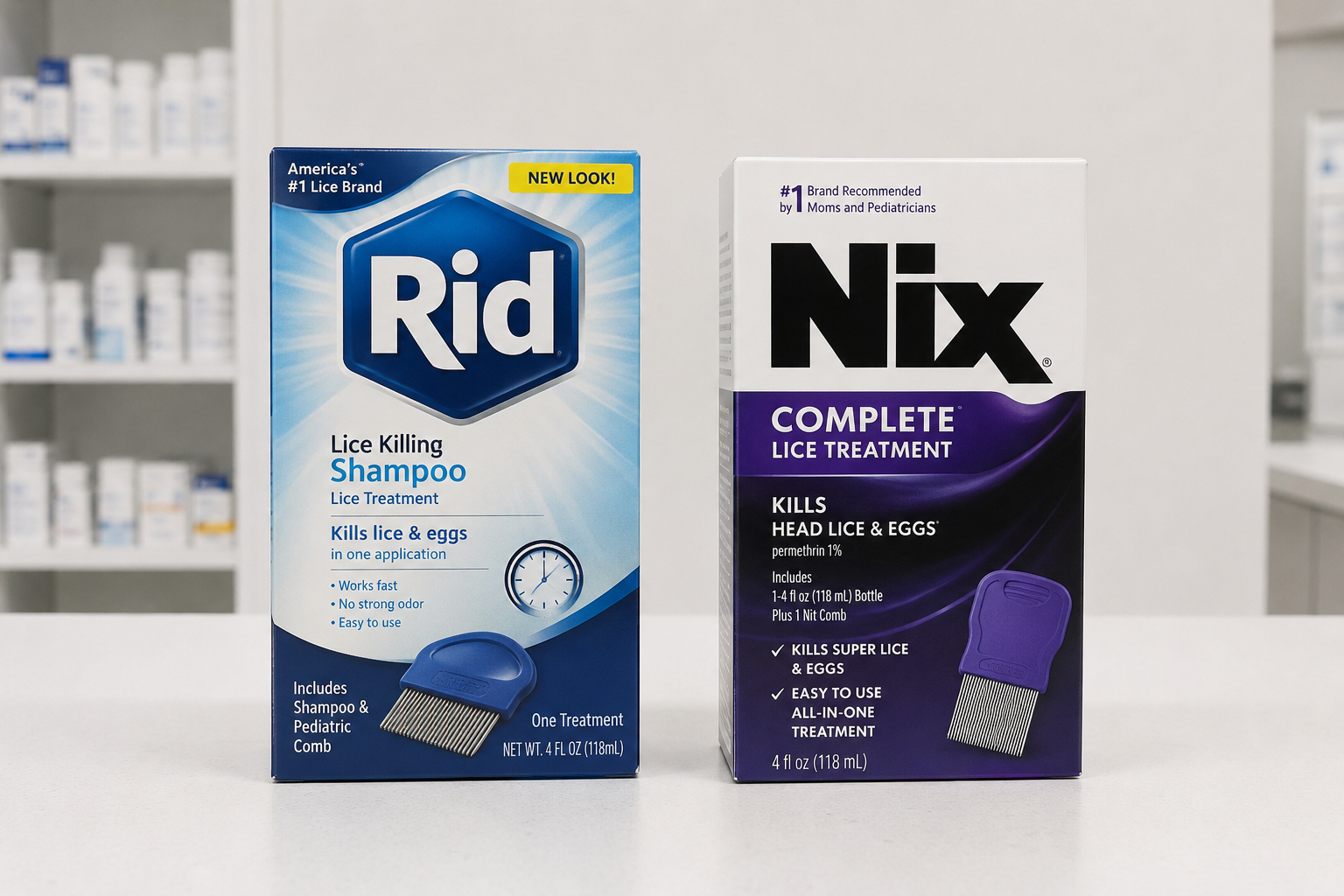
Option 1: OTC lice medicine plus repeat timing
Many common products kill live lice but may not kill all eggs. If that is the case, the CDC recommends treating again about a week later, often 7 to 9 days depending on the product.
Practical tip: If you do the first treatment and you skip the repeat, this is how lice “come back.”
Option 2: Dimethicone based products
Dimethicone is a silicone based ingredient that works physically rather than like a pesticide. UCANR notes it can block the lice respiratory system and published studies support its effectiveness.
This option is popular when people worry about resistance or want a more “mechanical” approach.
Option 3: Wet combing plan (no chemicals)
Wet combing can work, but only if you do it like a routine, not a one time comb session.
You use conditioner on wet hair, then comb small sections from scalp to ends with a real lice comb, not a regular comb.
This is the slowest option, but it is simple and cheap.
A simple at home plan that works
This is the plan I would follow in my own house because it is realistic.
Day 1
- Confirm it is lice. Look for a live crawling bug, not just nits. Nits alone can be old.
- Treat using your chosen option (OTC, dimethicone, or wet combing session).
- Comb anyway if you can. Even when using a product, combing helps remove lice and eggs.
Mini check: Put a white paper towel under the hair while combing. It makes the tiny moving lice easier to spot.
Day 2 to 8
- Quick daily check behind the ears and at the neck.
- If you are doing wet combing only, plan on repeated sessions.
Day 9
- Repeat treatment if needed. Many products require a second treatment around day 7 to 9 if eggs were not fully killed.
Day 10 to 14
- Recheck every couple of days.
- If you still see live lice after correct use, that is a signal to switch methods or call a clinician.
What to clean (and what to ignore)
Low effort cleaning that is worth it
Head lice do not survive long off the scalp, often about 1 to 2 days.
So focus on items that touched the head in the last 48 hours:
- Pillowcases and sheets
- Hats, hoodies, hair brushes, hair ties
- Headphones and helmets
Common overkill mistakes
- Spraying furniture or the whole house with pesticides
- Bagging every stuffed animal for weeks
- Washing everything in the closet
That effort usually does not move the needle. The scalp treatment and repeat timing is what wins.
When to get medical help
Red flags
- Scalp looks infected (oozing, crusting, painful swelling)
- Eye or eyebrow lice (verify, treat differently)
- You cannot get rid of live lice after doing two correct cycles
Pregnancy, infants, allergies
If you are pregnant, nursing, or treating a very young child, use products that are age appropriate and talk to a pediatrician if you are unsure.
FAQ
Can you drown lice with a bath overnight?
No. Lice can survive underwater for hours, and you cannot safely keep the scalp fully submerged long enough to rely on drowning.
Do hot tubs kill lice?
Probably not. The CDC notes chlorine levels do not kill lice, and lice can survive in water for hours. Temperature in a hot tub is also not a safe or reliable treatment method.
Verify: If you see claims about exact temperatures and kill times, look for a public health source or a peer reviewed study.
Will vinegar, mayo, or oils work?
Some home methods may slow lice down, but they often fail because they do not handle eggs well and people skip the repeat timing. If you want a proven physical method, dimethicone and combing have stronger evidence than kitchen remedies.