
Do Lice Live on Pillows? The Real Answer (and What to Do)
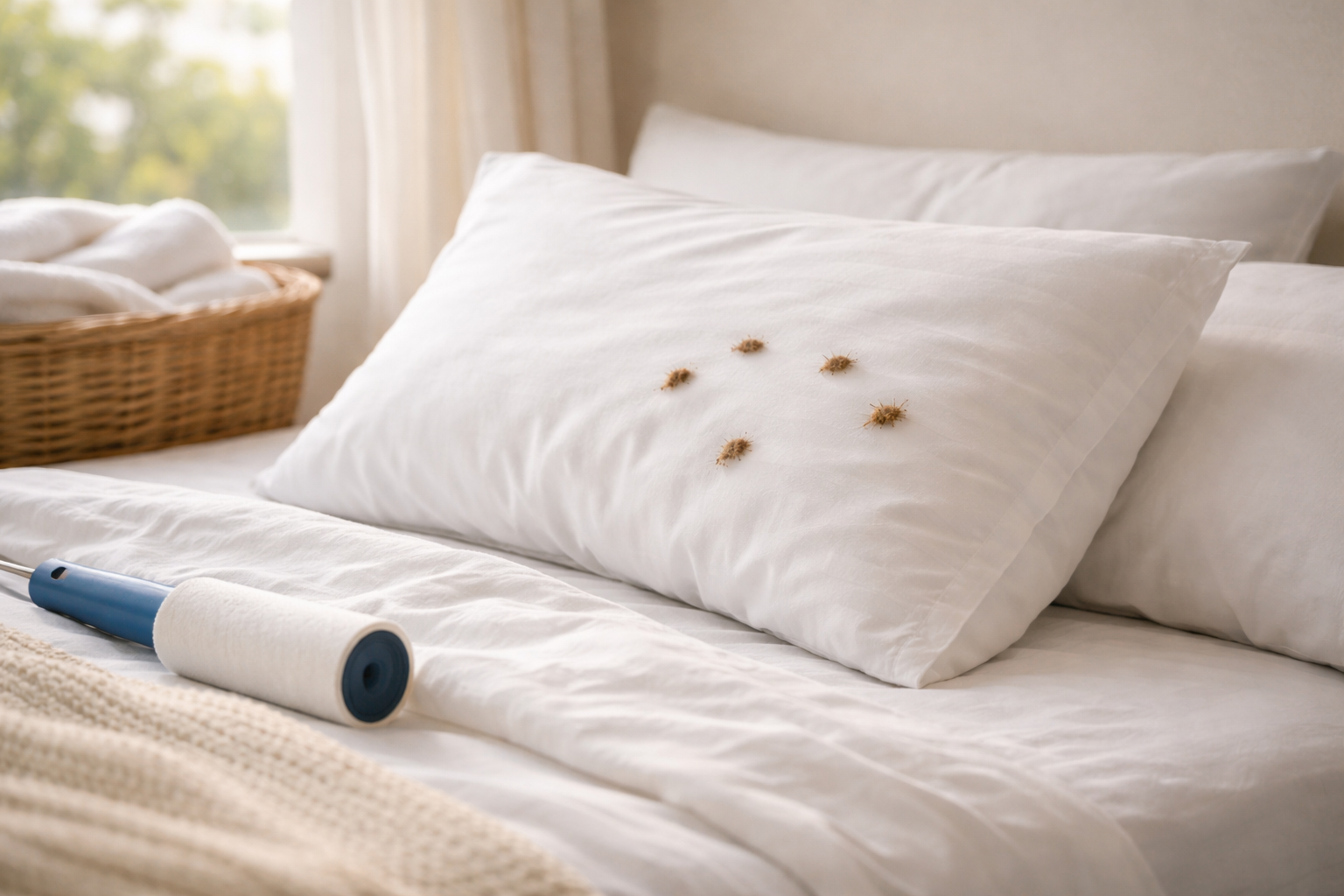
Yes, lice can end up on a pillow, but they do not live there for long. Head lice need frequent blood meals and the warmth close to the scalp. Off a person, most lice weaken quickly and typically die within about 24 to 48 hours. That means pillows are a possible transfer surface, but they are not the main way lice spread.

- How lice transfer to pillows
- How long can lice survive on a pillow?
- Do you have to wash pillows with lice?
- How to kill lice on pillows and bedding
- Common mistakes that waste time (or make things worse)
- Prevent re-infestation after treatment
- FAQ
How lice transfer to pillows
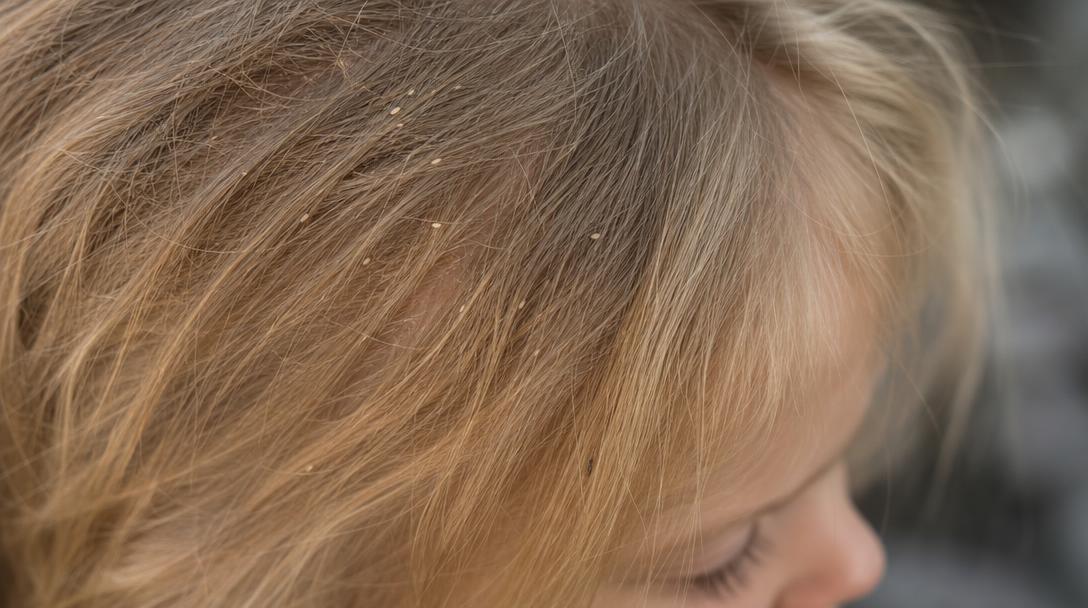
Head lice are built for staying in hair. They crawl, they do not jump or fly. Transfer to pillows usually happens in a few specific scenarios:
- Sleeping close together (siblings, sleepovers, shared pillows or blankets).
- A live louse falls off during scratching or tossing at night and ends up on the pillow surface.
- Immediate reuse: someone else puts their head on that same pillow within the short window the louse is still alive.
So yes, lice can transfer to pillows and live there briefly (1 to 2 days). The practical takeaway is to focus on the head first and do targeted laundry, not a full-home panic clean.
How long can lice survive on a pillow?
Most head lice survive off a person for roughly 24 to 48 hours. On a pillow, survival depends on:
- Time since contact: the longer it has been, the lower the risk.
- Temperature and humidity: lice do better in warm, humid conditions, worse in cool, dry air.
- Whether the louse is actually alive: many “lice” found on bedding are already dead or are debris that looks similar.
What about eggs (nits) on pillows? Nits are usually glued to hair shafts close to the scalp, not laid loosely on bedding. If an egg did end up off the head, it is far less likely to hatch successfully because it needs consistent warmth and the right conditions.
Do you have to wash pillows with lice?
You do not need to throw pillows away. In most cases, you only need to handle items that had recent head contact in the last 48 hours. Here is a simple decision guide:
- Pillowcases: yes, wash and dry with heat.
- The pillow itself: wash only if it is washable, otherwise use heat or isolation steps below.
- Decorative throw pillows no one slept on: usually unnecessary.
If you are unsure whether you are dealing with lice at all, a quick professional check can save you hours of stress. Lice Busters offers screening and treatment options on the lice removal services page.
How to kill lice on pillows and bedding
Use a targeted, heat-first approach. You are trying to cover the short window that lice can survive off the scalp.
Step 1: Strip the bed (and isolate the laundry)
Remove pillowcases, sheets, and any blankets used in the last 1 to 2 nights. Put them directly into a bag or hamper so they are not dragged through the house.
Step 2: Wash what you can in hot water
For washable bedding, use hot water when the fabric allows it. Many public health sources recommend at least 130°F (54°C) for laundry cycles. Always follow fabric care labels.
Step 3: Dry on high heat
High heat drying is often the most effective part. A sustained high-heat dryer cycle helps kill lice that may be clinging to fabric.
Step 4: For non-washable pillows, pick one of these
- High-heat dryer (if allowed): Some pillows can go in the dryer even if they cannot be washed. Check the label first.
- Seal and wait: Put the pillow in a sealed bag and set it aside. Because lice typically die within 1 to 2 days off the head, a longer buffer (for peace of mind) works well.
- Vacuum surfaces: Vacuum mattress seams and upholstered areas where heads rested. Dispose of vacuum contents promptly.
Step 5: Treat the head correctly (this is the main event)
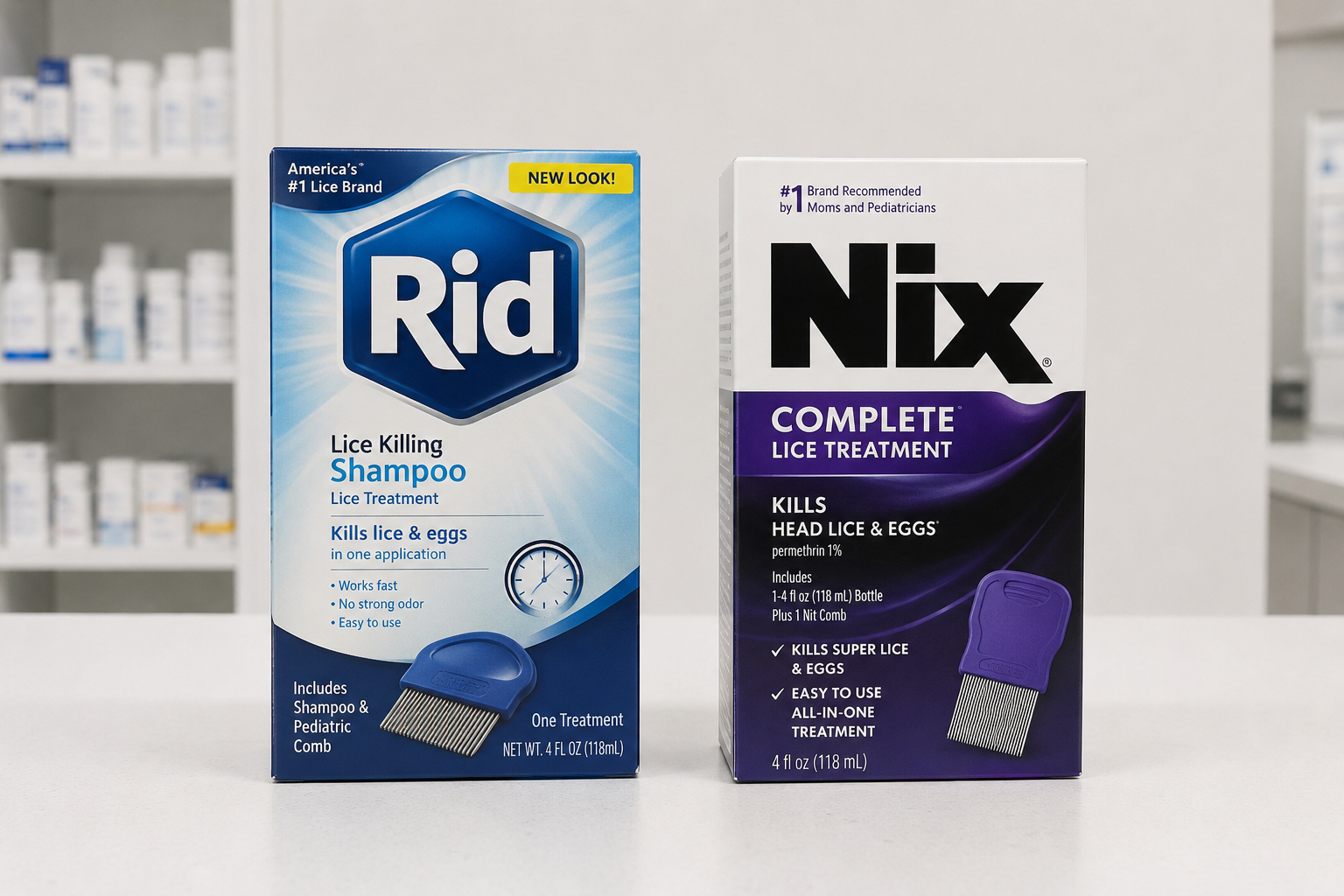
Environmental cleaning helps, but the infestation lives on the scalp. If the hair treatment is incomplete or not repeated when needed, lice can come right back and make it feel like the pillows were the problem. If you want clear, no-surprises options, see transparent pricing for lice treatment and screenings.
Common mistakes that waste time (or make things worse)
- Over-cleaning the whole home: Lice do not infest carpets and rooms the way fleas do. Focus on recent head-contact items only.
- Using bug bombs or pesticide sprays indoors: unnecessary exposure, and many experts advise against it for head lice situations.
- Relying on myths like “just soak it” or “chlorine kills them”. For example, lice can survive underwater for hours, so water alone is not a plan. Read can you drown lice? what works instead.
- Skipping the follow-up: many treatments need a repeat step and consistent combing to catch newly hatched lice.
Prevent re-infestation after treatment
Once the scalp is treated properly, prevention is mostly about limiting head-to-head contact and catching any recurrence early.
- During the first 48 hours: wash and dry the pillowcases and bedding used recently.
- During the next 10 to 14 days: do scheduled checks with a lice comb under bright light.
- For kids: tie hair back for school and activities, and remind them not to share hats, brushes, or pillows at sleepovers.
If you need a quick checklist for your specific situation, the fastest way is to start with the clinics FAQs: frequently asked questions.
FAQ
Do lice live on pillows?
They can end up on pillows, but they generally do not survive long there because they need a human host to feed. Risk is highest when a pillow is reused soon after contact.
How lice transfer to pillows happens most often?
Usually through close contact during sleep, sharing pillows, or a live louse falling off the hair and someone else using the pillow shortly afterward.
How long can lice survive on a pillow?
Typically about 24 to 48 hours off the scalp. The longer the time since contact, the lower the risk.
Do you have to wash pillows with lice?
You should wash and dry pillowcases and recent bedding. The pillow itself only needs washing if it is washable. Otherwise, use a high-heat dryer if permitted or seal it in a bag for a buffer period.
How to kill lice on pillows and bedding safely?
Heat is your friend: hot wash when fabric allows, then high-heat dry. For non-washable items, sealing and waiting is effective because lice die without a host.
Can nits live on pillows?
Nits are usually glued to hair shafts near the scalp, so they are not commonly found on pillows. Off-head eggs are less likely to hatch successfully.
Should I replace my pillows if someone has lice?
Almost never. Proper laundering of pillowcases and a sensible heat or isolation step for the pillow is enough for most households.
When should I call a professional?
If you are seeing live lice after correct treatment, dealing with repeat cases in the home, or you want a fast confirm-and-fix approach, professional help can save time. You can reach the clinic here: contact Lice Busters NYC.
Where can I learn more about lice prevention and aftercare?
The clinics educational hub has practical guides for families: Head Lice Resource Center.