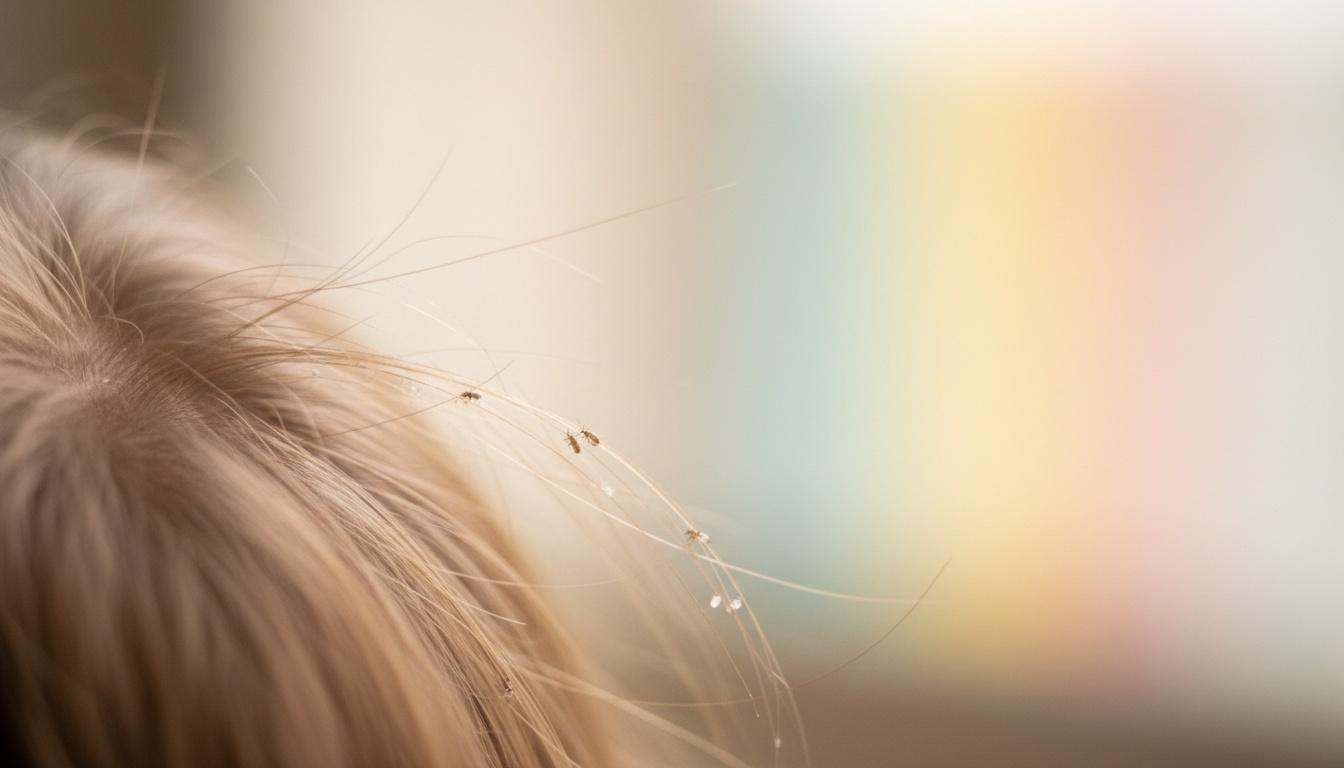

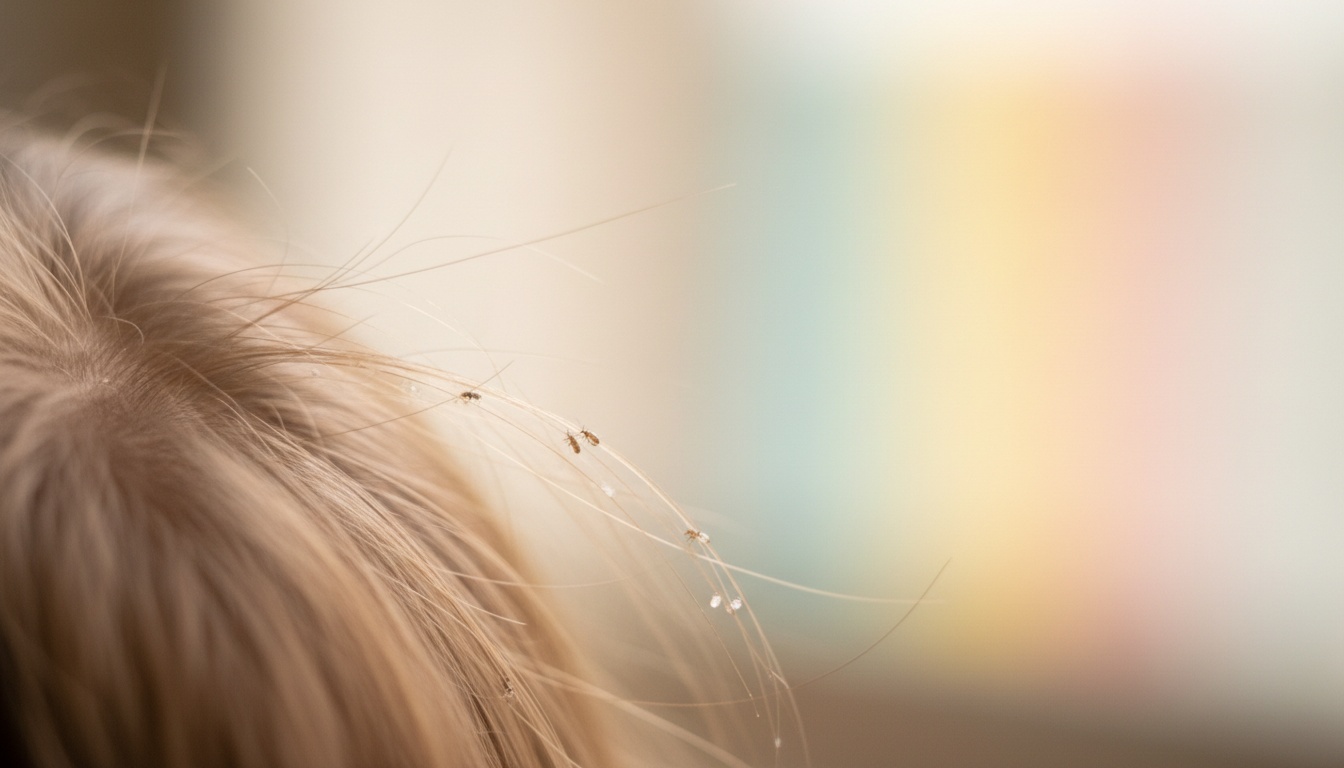
Most parents I meet believe dirty hair or poor hygiene is what attracts lice the most. They are wrong. I have treated thousands of families at Lice Busters which allowed me to observe lice throughout all hair categories including clean and dirty hair of both long and short and thick and thin hair types. The actual appeal factors depend on how close people are to each other and their ability to access each other.
Lice (Pediculus humanus capitis) don’t care about your shampoo brand or how often you wash. The parasites need human blood to survive because they operate by feeding on human blood. The first step of family protection requires you to understand what attracts these creatures while you should stop following false information which drains your resources. The article presents five unexpected lice attraction facts which most people completely misunderstand about these insects.
What Actually Attracts Head Lice (And Common Myths)
The Truth About Hygiene and Lice
Lice don’t care if your hair is clean or dirty. The Centers for Disease Control and Prevention confirms that personal hygiene has zero impact on lice infestation risk. Lice find both clean and dirty hair equally appealing because they require human blood for their survival instead of depending on hair cleanliness.
People with all types of hair including different colors and textures can get lice. The head lice species known as Pediculus humanus capitis moves through crawling because they lack the ability to jump or fly so they spread between heads when people touch directly.
What Lice Actually Need to Survive
Lice need two things: human blood and warmth from your scalp. The lice will die within 24-48 hours when they leave a human host so they cannot survive on pillows for extended periods. The American Academy of Pediatrics states that lice species only affect humans because they never infect animals which serve as their hosts.
What Do Head Lice Look Like?
Adult Lice vs. Nits
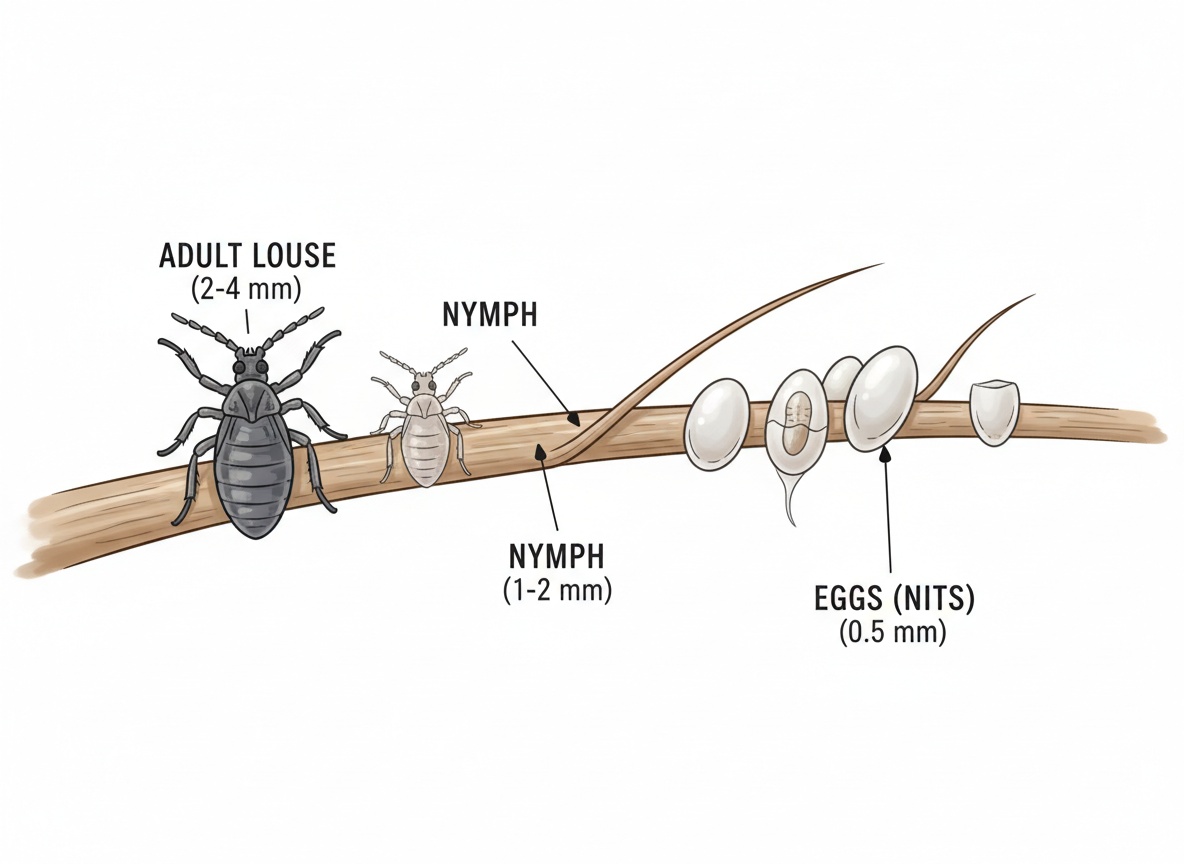
Adult Pediculus humanus capitis are roughly the size of a sesame seed—tan to grayish-white, with six legs and no wings. According to the CDC, nymphs (younger lice) look similar but smaller. The pinhead-sized oval eggs called nits attach to hair shafts near the scalp where they usually appear behind the ears and at the back of the neck.
Common Look-Alikes to Avoid Confusion
Dandruff flakes off easily; nits stay cemented. Hair casts and dried gel and dirt particles look like eggs but they move along the hair strands without resistance. Live lice move quickly when disturbed, making detection tricky without proper lighting and a fine-toothed comb.
How Do You Get Head Lice?
Direct Contact Transmission
Head lice spread primarily through direct head-to-head contact. When hair touches hair, lice crawl from one person to another—they don’t jump or fly. The occurrence of this behavior becomes most common when children play together and during their sleepovers and sports activities and while taking selfies. The Centers for Disease Control and Prevention confirms that extended contact between people creates the most likely circumstances for disease transmission.
Can You Get Lice from Sharing Hats or Brushes?
Sharing combs and hats and pillows between people creates very low risk because lice need to feed on blood every few hours and they die quickly when they leave the scalp. Human lice which exist as Pediculus humanus capitis do not spread to dogs because this species of lice only infects humans. Most household and school transmission occurs through direct contact, not belongings.
Symptoms of Head Lice Infestations
Early Warning Signs
The first symptom is usually intense itching, an allergic reaction to lice saliva when they bite. You might also feel a tickling sensation from Pediculus humanus capitis moving across the scalp. The skin develops small red bumps and sores when people scratch their skin but these wounds become dangerous when they stay untreated.
When to Check for Lice
Lice reach their peak activity during nighttime which creates an environment that prevents people from getting proper sleep. You should perform an immediate inspection when your child shows continuous scratching behavior or reports scalp pain after they had contact with other heads. The Centers for Disease Control and Prevention recommends checking under bright light for live bugs or nits near the scalp.
Where Do Lice Come From When Not on Humans?
Head lice (Pediculus humanus capitis) cannot survive off the human scalp for more than 24–48 hours. They require human blood every few hours and die quickly without it. Head lice differ from body lice because they spend their entire life cycle by staying on the scalp instead of living in clothing.
Stubborn environmental cleaning practices seem to provide only limited benefits for this situation. The Centers for Disease Control and Prevention notes that lice transmission occurs overwhelmingly through direct head-to-head contact. Most people worry too much about pillow contamination because lice fail to establish themselves on furniture and they die quickly when they leave their host.
Can Lice Go Away on Their Own?
Lice infestations never resolve without intervention. The adult female lice produce 6-10 eggs every day while nymphs develop into adults within 9-12 days which leads to an exponential increase in lice numbers that surpasses the body’s natural defense capabilities.
The lice will keep their life cycle going when you fail to remove their live bodies and their eggs which remain attached to hair roots. The Centers for Disease Control and Prevention requires all people who live together to undergo simultaneous checkups and treatment because one missed case will restart the entire infestation process.
How to Protect Yourself from Lice
Prevention Tips for Parents
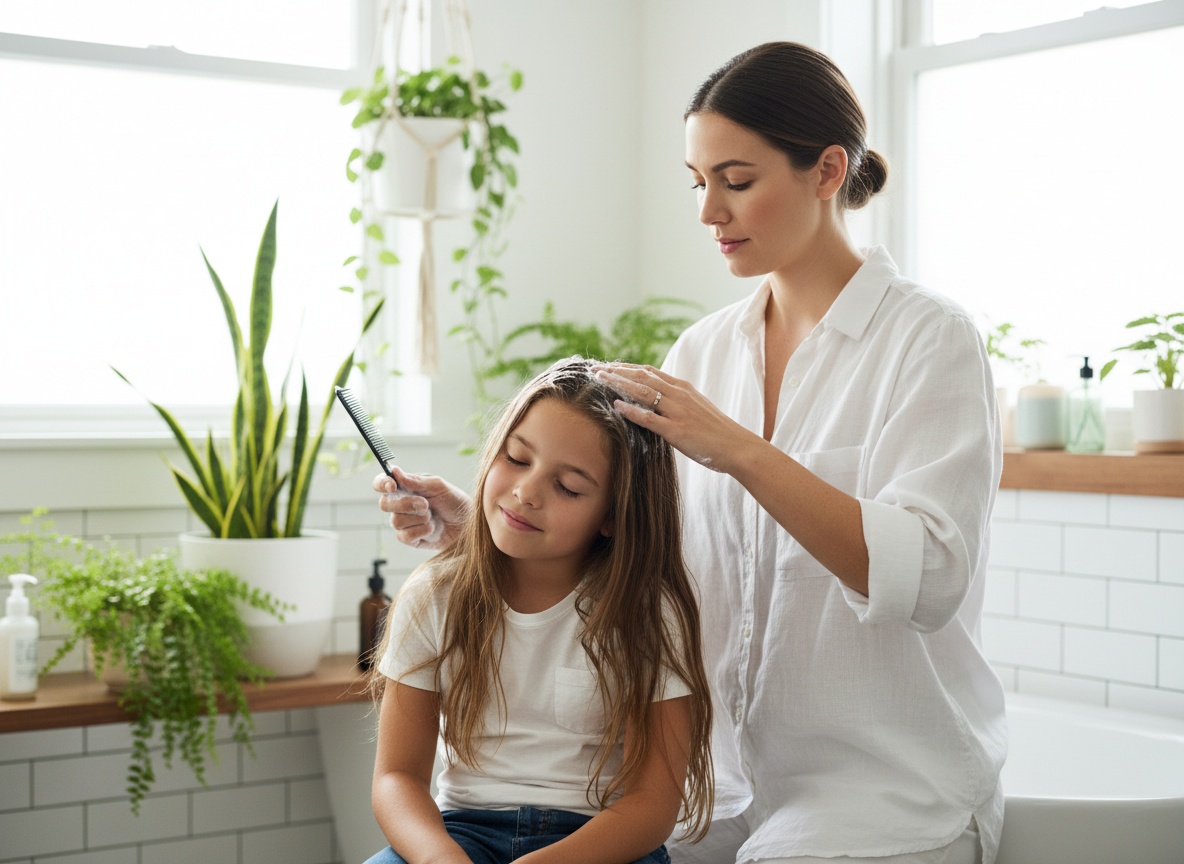
The best way to prevent lice spread requires you to avoid any contact which involves touching heads during sports activities and playtime and during sleepovers. Store hats, coats, and backpacks separately at school. Children should learn to keep their hairbrushes and headbands and helmets as personal belongings which they should never lend to others.
You should check your child’s scalp every week during school outbreak seasons by focusing on the areas behind the ears and at the base of the neck. Early detection stops spread.
What Doesn’t Work for Prevention
Research has not discovered any repellent spray or shampoo or essential oil which effectively controls Pediculus humanus capitis infestations. The Centers for Disease Control and Prevention confirms this. Skip the gimmicks—focus on contact avoidance.
Frequently Asked Questions
What do head lice look like?
Adult head lice are about the size of a sesame seed (2-3mm long) and appear tan to grayish-white in color. Nits (lice eggs) are tiny yellow or white oval-shaped specks that firmly attach to hair shafts close to the scalp. Nits create a persistent problem because they stick to hair after dandruff flakes away during hair brushing.
How do you get head lice?
Head lice spread primarily through direct head-to-head contact with an infested person. People can catch lice by using someone else’s personal belongings which include hats and hairbrushes and bedding. Lice cannot jump or fly—they can only crawl from one head to another.
Where do lice come from when not on humans?
Head lice cannot survive for more than 1-2 days away from the human scalp. They require human blood to survive and cannot live in the environment, on pets, or reproduce off the human host. The environment requires minimal cleaning to fight lice effectively.
Can lice go away on their own?
Head lice infestations need medical intervention because these parasites will persist in the body until someone receives proper treatment. Lice reproduce quickly, with females laying 6-10 eggs daily. The infestation will keep growing while spreading to other people unless someone actively combs and treats the area to remove the lice.
How can I protect myself from lice?
People should keep their heads separate during activities while they should store their belongings in different locations and they must avoid sharing hair accessories and hats and they should perform head inspections during times when lice spread the most. Physical prevention methods serve as the most effective defense because no scientific studies have proven any repellent products to be effective.